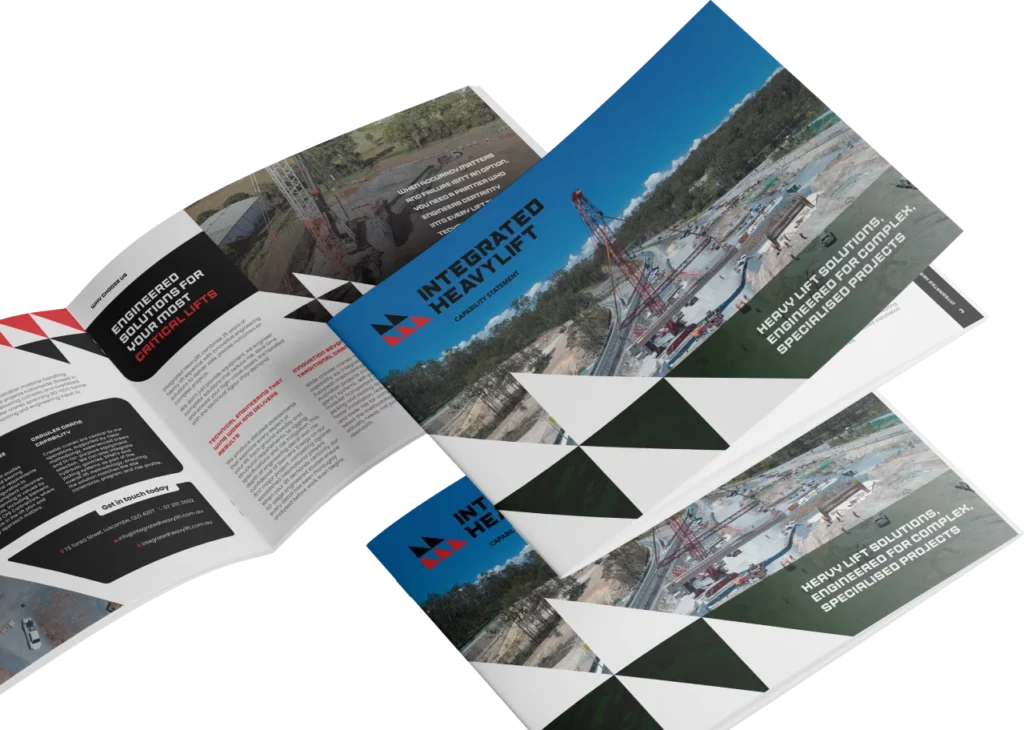
Integrated Heavylift offers fully integrated end-to-end heavy lift logistics and transport solutions for complex project cargo and critical infrastructure. By combining in-house engineering expertise with specialised lifting, transport, rigging, and logistics capabilities, we provide a true turnkey service for the movement and installation of over-dimensional assets.
Our single-source delivery model eliminates the need to engage and coordinate multiple contractors, ensuring seamless project execution, enhanced safety performance, reduced interfaces, and improved schedule certainty. From feasibility and route assessments through to engineered lifting operations and final installation, we maintain complete project oversight to deliver safe, efficient, and predictable outcomes. Our integrated approach is supported by specialist heavy lift engineering and planning to develop lifting methodologies around each project’s requirements.

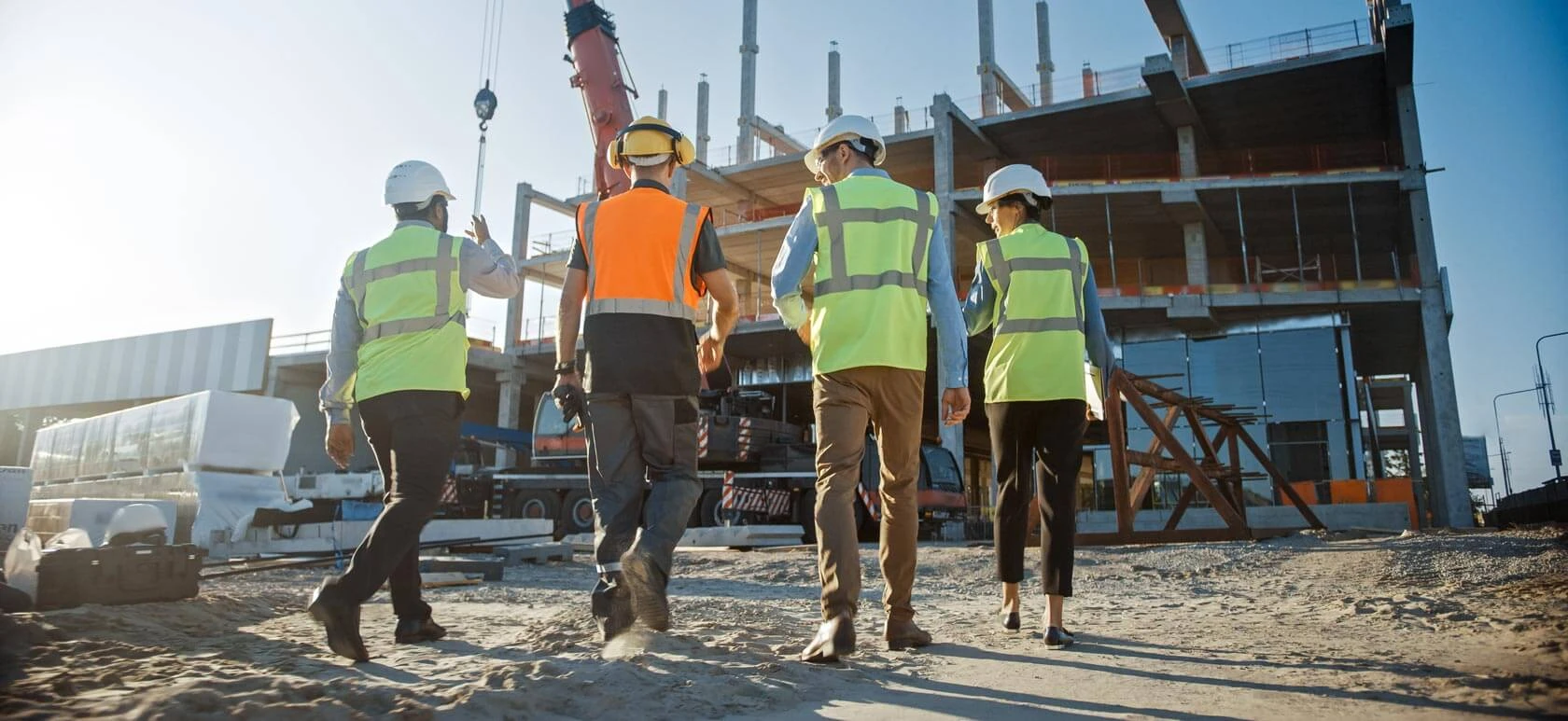
We conduct thorough site and access reviews to evaluate logistics and early set-up requirements. This proactive approach ensures that all practical and spatial constraints are addressed well before equipment arrives.
Our planning process includes detailed ground condition assessments to identify any required support structures. We also evaluate loads and develop clear rigging concepts to guarantee safe, sequential lifting.
Safety is integrated into every step through clear risk controls, communication plans, and interface management. This is especially critical for high-consequence lifts where defensible, transparent controls are mandatory. Explore Our Work to see examples of our heavy lifting, transport and installation capabilities.
We give your team total confidence by validating the lift methodology before committing to plant mobilisation. This reduces costly downtime and provides a clear path forward for projects with restricted access or staged installations. For projects with restricted access or staged installations, our alternative lifting solutions provide additional options where conventional crane methods may not be suitable.